The Science of Soil: Building Better Gardens from the Ground Up with Calderwood Jul 19, 2026
Soil is a living organism that needs proper attention and nurturing to support plant health. It's a complex ecosystem teeming with life, hosting fungi, bacteria, and other micro-organisms that collaborate to form a harmonious environment for plants to flourish. For gardeners and nature enthusiasts, understanding this intricate web can lead to more effective gardening strategies and lush landscapes.
The pH level of your soil is one of the fundamental elements that can affect plant growth. It dictates the availability of nutrients that plants can absorb. Most garden plants thrive in soil with a neutral pH (around 6 to 7). However, certain plants have specific pH requirements. Conducting a simple soil test can help you determine your soil’s pH and guide necessary amendments. If you're unsure about this process, Calderwood Landscape Design offers professional soil analysis and personalized advice to optimize your garden's potential.
Nutrient management is another essential aspect of soil science. Nitrogen, phosphorus, and potassium are critical nutrients plants need. However, balance is key. Over-fertilizing can lead to nutrient leaching, harming the surrounding environment. Composting is a sustainable practice to enrich your soil naturally. Organic matter, like kitchen scraps and garden debris, can boost your soil's fertility without chemical fertilizers. Our experts at Calderwood can set up composting solutions tailored to your garden's needs.
Knowing your soil type is crucial for selecting the right plants and irrigation methods. Sandy soils drain quickly but might not retain nutrients, while clay soils retain water but might hinder drainage. Loamy soil, considered ideal for gardening, offers a perfect balance. By identifying your soil type, you can choose appropriate plant species that will thrive naturally in your existing garden conditions. Our team specializes in assessing and amending different soil types to suit your landscaping desires.
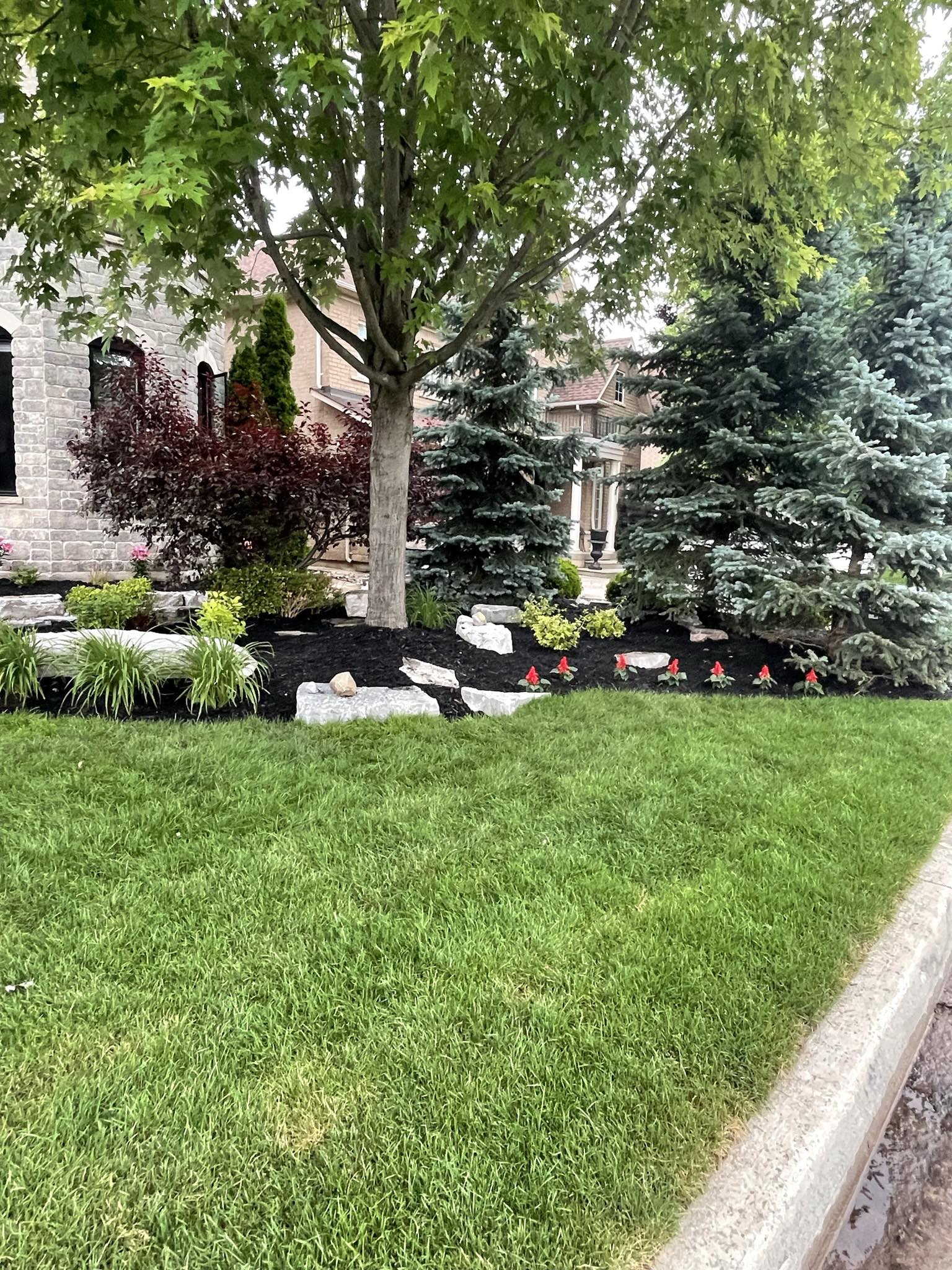
Water retention and drainage are other crucial factors in soil health. Mulching is a practical technique to conserve moisture, suppress weeds, and moderate soil temperature. A well-executed mulching plan can reduce the need for excessive watering, promoting water conservation in your garden. Calderwood Landscape Design can assist you in selecting the right mulch materials to enhance your soil structure effectively.
Taking these steps not only leads to a healthy and vibrant garden but also contributes positively to the ecosystem. A strong emphasis on soil health means fewer pests, less disease, and more robust plant growth. As we nurture our gardens, it's important to remember that we're also nurturing the planet.
At Calderwood Landscape Design, our mission is to create landscapes that align with nature’s principles. By applying the science of soil in our landscape design services, we offer gardens that are not only beautiful but also ecological powerhouses. Whether you're a seasoned gardener or just starting, our team is here to guide you every step of the way towards building a garden that thrives from the ground up. Reach out to us and discover how we can transform your garden into a living masterpiece.
/filters:no_upscale()/filters:format(webp)/media/b1923f14-a1d2-4ccd-8554-7283cd20dbcc.png)