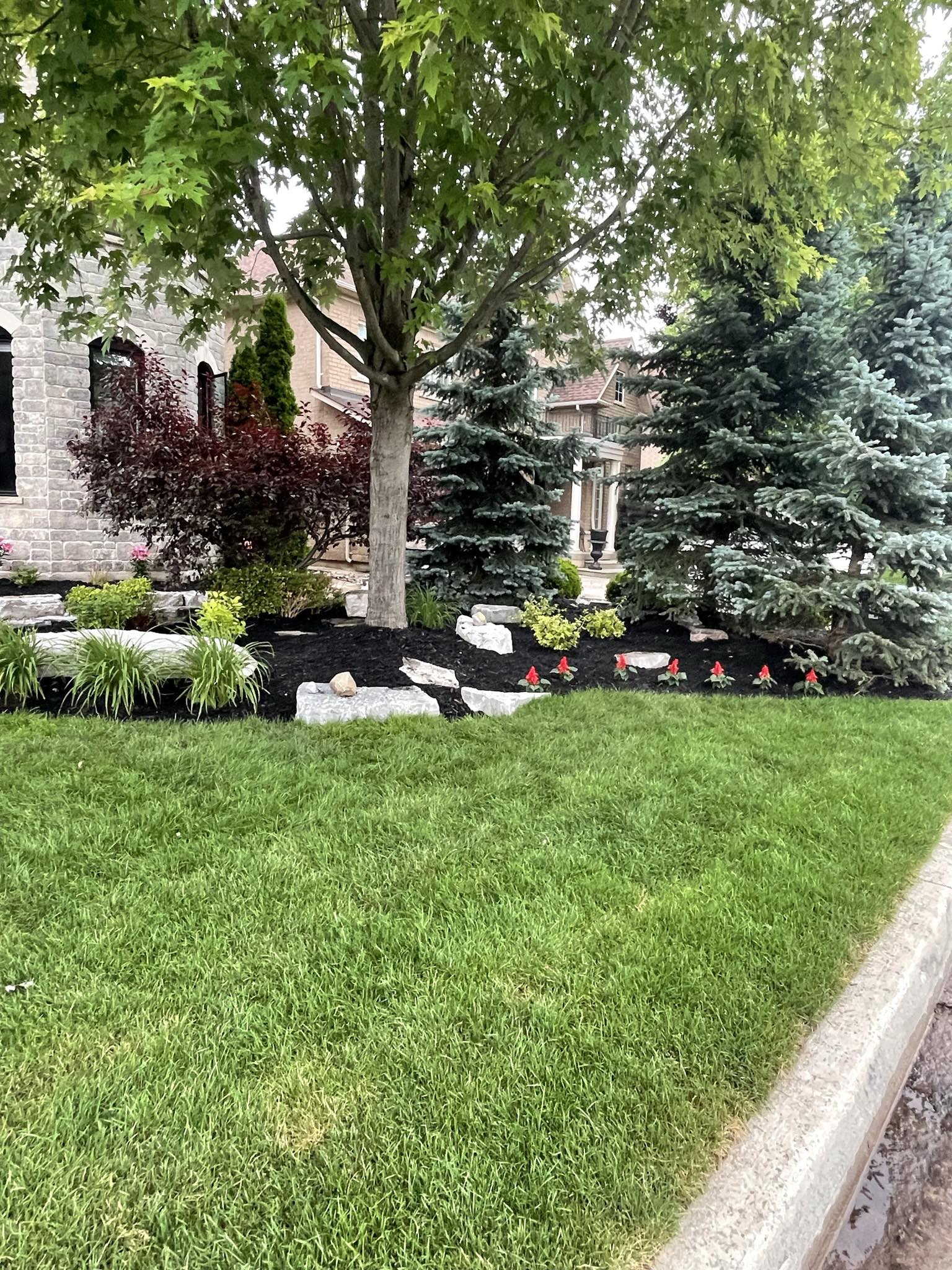
Pollinator Paradise: Designing Gardens that Attract Bees and Butterflies with Calderwood Jul 17, 2026
Start by selecting the right plants. Bees and butterflies favor specific types of blooms that provide the nectar and pollen they need. Native plants are particularly beneficial as they have co-evolved with local pollinators. Consider incorporating species such as coneflowers, milkweeds, and asters into your garden. These plants not only support pollinators due to their rich nectar but are also well-suited to the local climate and soil, reducing the need for fertilizers and pesticides.
In addition to plant selection, pay attention to the layout of your garden. Grouping plants by species can be highly effective. Bees and butterflies prefer larger clumps of similar plants, making it easier for them to forage. This also creates a visually striking effect, turning your garden into a tapestry of colors and textures. Calderwood's expert designers can help you craft intricate designs that not only appeal to pollinators but also reflect your personal aesthetic.
Water is another critical element in a pollinator-friendly garden. Although flowers provide nectar, bees and other pollinators require a water source to thrive. Incorporate shallow dishes with water and pebbles, allowing bees and butterflies to land and drink safely. This simple addition to your garden can make a significant difference in attracting and sustaining pollinator populations.
Avoid using pesticides as much as possible. While they might seem like a quick fix for pest problems, many pesticides harm beneficial insects, including pollinators. Opt for natural alternatives or encourage beneficial insects like ladybugs that help control pests naturally. At Calderwood Landscape Design, we promote sustainable practices that protect and encourage the natural balance in your garden.
Creating a diverse habitat is essential to attract and sustain pollinators. Consider adding features like rock piles, logs, or other natural elements that provide shelter and breeding grounds. Allowing some areas to grow a bit wild can offer habitat diversity essential for various pollinator species. A functional yet aesthetically pleasing approach will result in a garden that teems with life and vibrancy.
To truly make your garden a haven for pollinators, maintenance is key. Regularly deadhead flowers to encourage more blooms, and ensure a continuous supply of nectar throughout the seasons. Rotate blooms by planting flowers that bloom at different times of the year, ensuring your garden is a consistent food source.
In conclusion, designing a pollinator-friendly garden is a rewarding endeavor that benefits both the environment and your well-being. With Calderwood Landscape Design by your side, this transformation can be seamless and effective. Our team is committed to providing expert advice and high-quality service to help you create spaces that are as functional as they are beautiful. Embrace the joy of seeing your garden come to life with bees flitting and butterflies fluttering, knowing that you’ve played a part in nurturing the ecosystem.
/filters:no_upscale()/filters:format(webp)/media/b1923f14-a1d2-4ccd-8554-7283cd20dbcc.png)