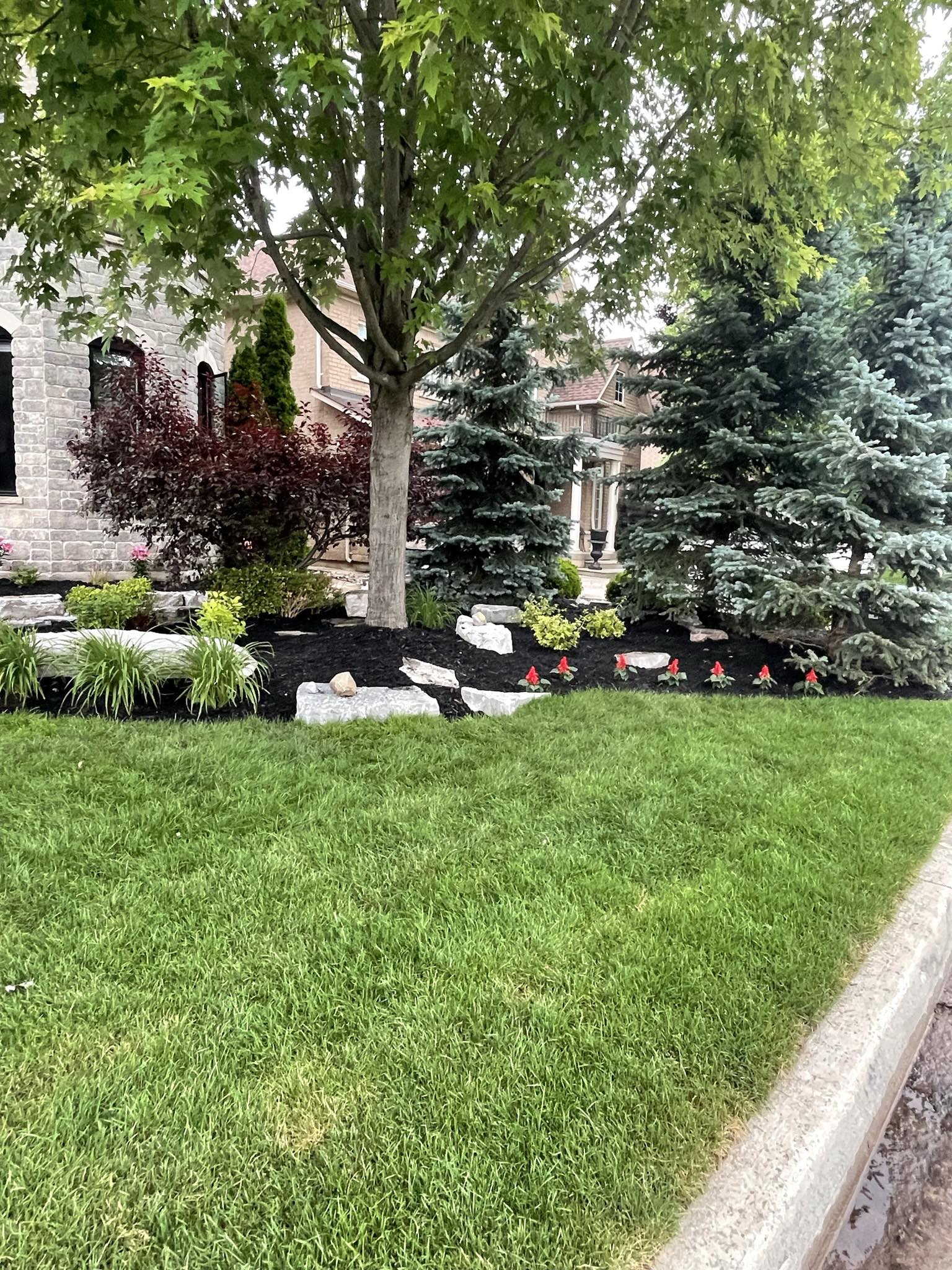
Maximize Your Garden's Potential: Expert Advice from Calderwood Landscapes Feb 03, 2026
Understanding Your Landscape
One of the first steps to maximizing your garden's potential is understanding your landscape. Every garden is unique, with different gradients, soil types, and exposure to sunlight. By evaluating these factors, you can select plants and design strategies that are well-suited to your space. Consider conducting a soil test to determine pH levels and nutrient availability. This knowledge will guide your choice of plants that will thrive in your garden's conditions.
Harnessing the Power of Seasonal Planting
Adapting your gardening practices to the seasons is crucial. In the spring, focus on planting perennials and vegetables such as tomatoes and peppers, which will benefit from the warming soil. Summer is ideal for maintaining healthy growth through regular watering and pruning. As autumn approaches, think about planting bulbs for spring flowers, like tulips and daffodils. Winter is a time to protect your garden by mulching and covering delicate plants. By embracing seasonal planting, you ensure that your garden provides beauty and yield year-round.
Incorporating Sustainable Practices
Modern gardens benefit immensely from sustainable practices. Calderwood Landscapes recommends adopting eco-friendly techniques such as composting and rainwater harvesting. Composting not only reduces waste but also enriches your soil with essential nutrients. Collecting rainwater allows you to maintain a healthy garden even during dry spells, reducing your reliance on municipal water supplies. Furthermore, integrating native plants promotes biodiversity and ensures that your garden thrives with minimal human intervention, as these plants are naturally adapted to your local environment.
Designing with Purpose
Effective garden design is about more than aesthetics. It involves creating a space that serves your lifestyle and preferences. Think about how you use your garden: Is it a place for relaxation, entertaining guests, or perhaps growing your own produce? Your garden design should align with these goals. For instance, families might prioritize play areas and soft grass, while avid chefs may focus on herb and vegetable gardens. Incorporating diverse plant heights and textures can add visual interest and depth, making your garden more appealing.
Regular Maintenance is Key
Even the most beautifully designed gardens require regular maintenance to retain their charm. Routine tasks like weeding, pruning, and fertilizing ensure that your garden remains healthy and attractive. Create a maintenance schedule that suits your plants and your lifestyle. For many, hiring a professional service like Calderwood Landscapes to perform quarterly or seasonal clean-ups can be a beneficial investment, maintaining the garden's integrity and appearance.
Conclusion
Maximizing your garden's potential involves a blend of understanding, strategic planning, and ongoing care. By working closely with professionals at Calderwood Landscapes, you can tailor your garden to meet your aesthetic desires and practical needs. Whether you are a seasoned gardener or new to the world of landscaping, these insights will provide a solid foundation for cultivating a garden that is both beautiful and sustainable. Embrace the journey to creating a garden that enhances your home and your life.
/filters:no_upscale()/filters:format(webp)/media/b1923f14-a1d2-4ccd-8554-7283cd20dbcc.png)