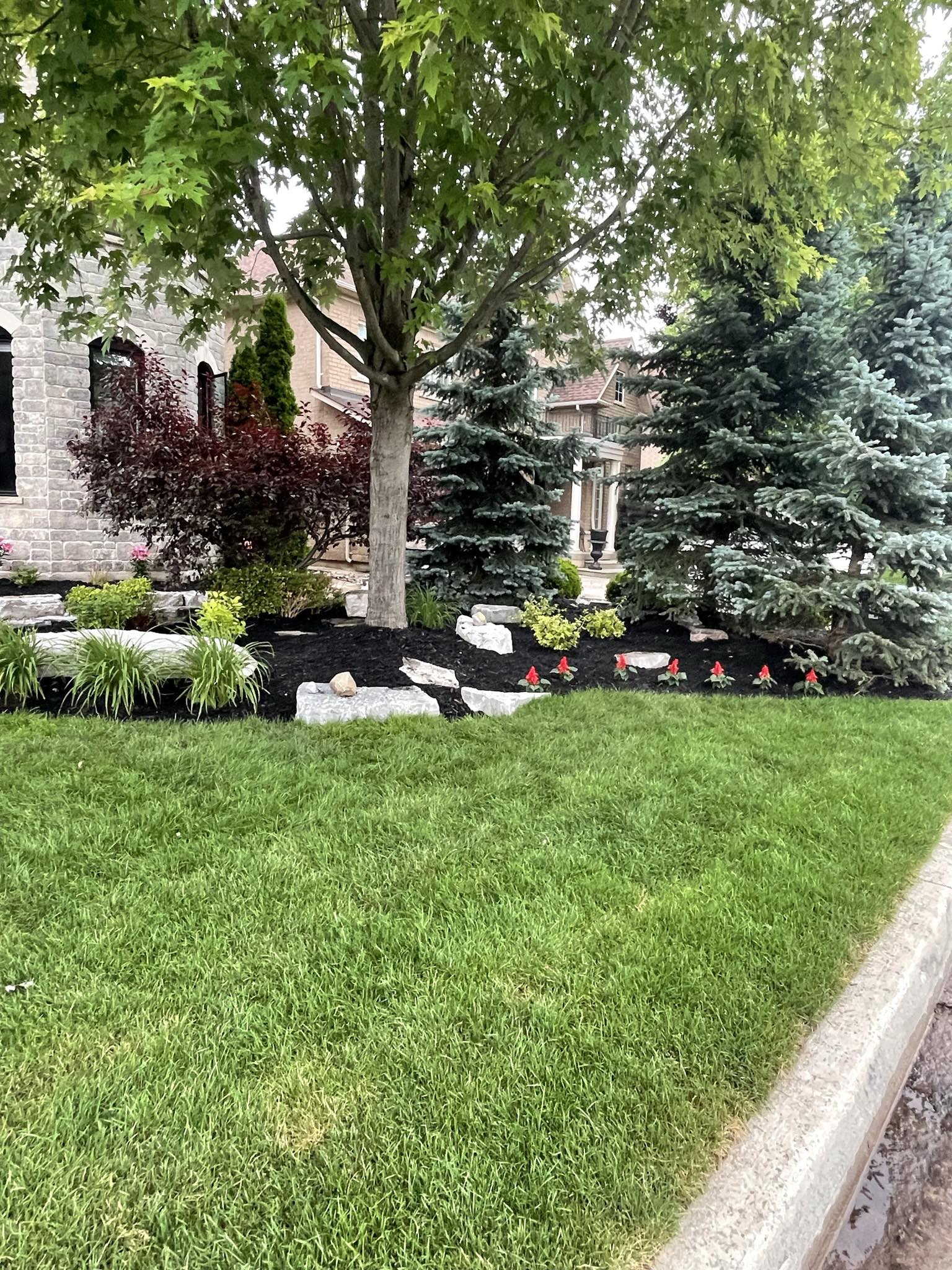
Exploring Edible Landscaping: A Deliciously Beautiful Garden with Calderwood May 02, 2026
Edible landscaping is all about integrating food-producing plants within an ornamental landscape. This harmonious blend between passion for organic food and appreciation for nature's beauty can transform any backyard into a sustainable oasis. Calderwood Landscape Design specializes in crafting such spaces, ensuring that aesthetics and productivity go hand in hand.
The journey towards edible landscaping starts with strategic planning. At Calderwood Landscape Design, we emphasize the importance of selecting plants that will thrive in your specific climate and soil conditions. Whether it's a sunny herb spiral by the kitchen door or a fruit-laden apple tree framing your entryway, the correct placement of plants is crucial not only for their growth but also for the visual appeal of your garden.
When planning your edible landscape, consider diversity in plant selection. Incorporate a variety of herbs such as basil, rosemary, and mint that are not only fragrant but also useful for cooking. Adding fruiting plants like strawberries, blueberries, or dwarf citrus trees can introduce vibrant colors and nourish the family throughout the seasons. Additionally, vegetable plants with attractive foliage like kale, rainbow chard, and red lettuce can serve dual purposes as both edible crops and decorative elements.
Calderwood Landscape Design suggests incorporating vertical gardening techniques to maximize space in smaller gardens. Vertical gardens can be created using trellises and arbors for climbing plants like beans and peas, adding both height and dimension to the garden space. This method not only expands your gardening potential but also creates stunning natural architecture.
Water efficiency is another key component of successful edible landscaping. Calderwood Landscape Design advocates for sustainable practices such as mulching to retain soil moisture and reduce water usage. Selecting native and drought-tolerant plants can further minimize water needs while ensuring that your garden remains lush and productive.
Don't overlook the role of pollinators in your edible garden. Flowers such as marigolds, nasturtiums, and borage can attract beneficial insects like bees and butterflies, leading to increased yields. By integrating these flowers within your edible landscape, you create an ecosystem that promotes biological balance and plant health.
Calderwood Landscape Design understands that the heart of a thriving garden is its soil. That's why we emphasize the integration of organic matter and compost to enhance soil fertility, structure, and microbial activity. A well-maintained soil foundation supports robust plant growth, reduces the need for chemical fertilizers, and contributes to an environmentally friendly garden.
In conclusion, edible landscaping is a rewarding approach to creating a functional, beautiful outdoor space. With expertise in design and sustainability, Calderwood Landscape Design can guide you on this journey, helping you cultivate a garden that is both an aesthetic delight and a source of fresh, healthy produce. Whether you're a seasoned gardener or a novice eager to explore sustainable living, edible landscaping offers a delectable blend of beauty and utility for your home.
/filters:no_upscale()/filters:format(webp)/media/b1923f14-a1d2-4ccd-8554-7283cd20dbcc.png)