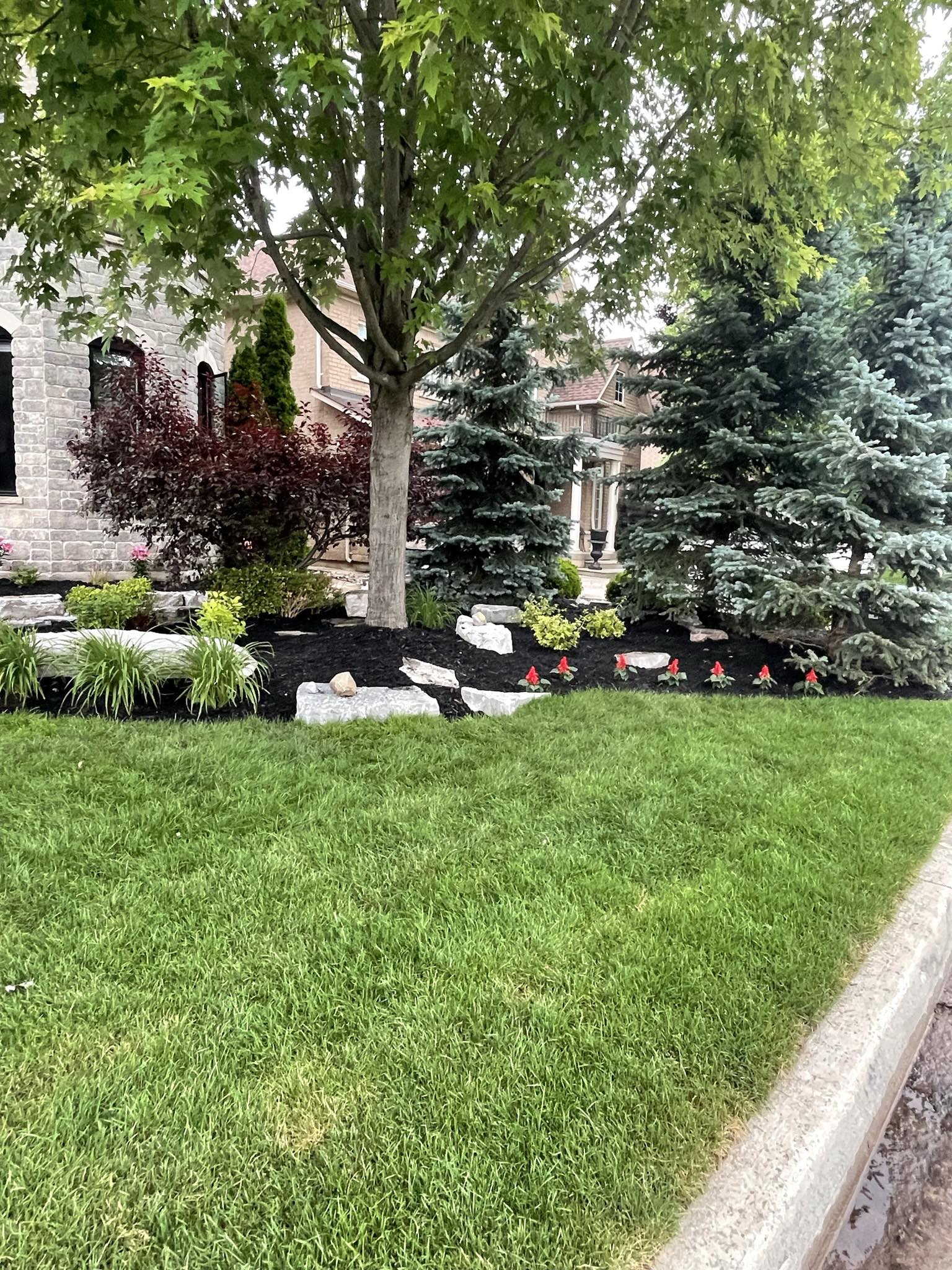
Creating Wildlife Havens: Calderwood's Guide to Biodiverse Gardens Mar 03, 2026
Firstly, it's essential to understand the needs of local wildlife. Start by identifying the native species in your area. Native plants and trees are crucial as they serve as food and shelter for endemic birds, insects, and other creatures. By incorporating these plants into your garden, you create an environment that is naturally attuned to the local ecosystem's requirements. Calderwood Landscapes can assist with selecting appropriate native plants that thrive in your region's specific climate and soil conditions.
Next, consider introducing a variety of plant types. Biodiverse gardens thrive on diversity. Incorporate a mix of trees, shrubs, and flowering plants. Each layer of vegetation offers different resources for wildlife to utilize. For example, trees provide nesting sites for birds, while shrubs offer cover and protection for mammals and insects. Flowering plants, particularly those that bloom at different times of the year, provide a continuous food source for pollinators such as bees and butterflies.
Water is another key component in creating a wildlife-friendly garden. A simple birdbath or a pond can transform your garden into an inviting space for various species. Water features attract birds and amphibians, contributing to a vivid and dynamic ecosystem. If space permits, consider installing a pond with native aquatic plants, which serve as both a focal point and a habitat for aquatic life.
To maximize your garden's appeal to wildlife, create shelter and nesting opportunities. Many species will benefit from leaving some areas a little wild, with piles of leaves or logs or untrimmed grass patches. Insect hotels are also an excellent way to encourage beneficial bugs, enhancing your garden’s natural pollination and pest control.
An often-overlooked aspect of facilitating biodiversity is reducing or eliminating pesticide use. Chemical pesticides can be harmful to wildlife, so consider natural alternatives, such as introducing predator insects that naturally manage pests. Moreover, sustainable gardening practices, such as composting organic waste and mulching, improve soil health while minimizing waste.
Calderwood Landscapes emphasizes the importance of keeping the long-term vision in mind. A growing biodiverse garden will become a self-sustaining environment over time. Regular maintenance is essential, but remember to allow for natural processes to take their course. Our team is here to provide ongoing support and expert advice to ensure your garden remains a thriving wildlife haven.
In conclusion, transforming your garden into a biodiverse sanctuary provides a rewarding experience and contributes positively to the environment. By investing in native plants, providing water sources, and creating diverse habitats, you are fostering a sustainable ecosystem that benefits both you and local wildlife. Calderwood Landscapes is dedicated to helping you design and maintain a garden that reflects the beauty and diversity of nature itself, bringing life to your leisure space and beyond. Embrace the change and watch your garden become a bustling landscape of growth and wildlife harmony.
/filters:no_upscale()/filters:format(webp)/media/b1923f14-a1d2-4ccd-8554-7283cd20dbcc.png)