Creating Sensory Gardens: Engage All Five Senses with Calderwood's Expertise Jul 27, 2026
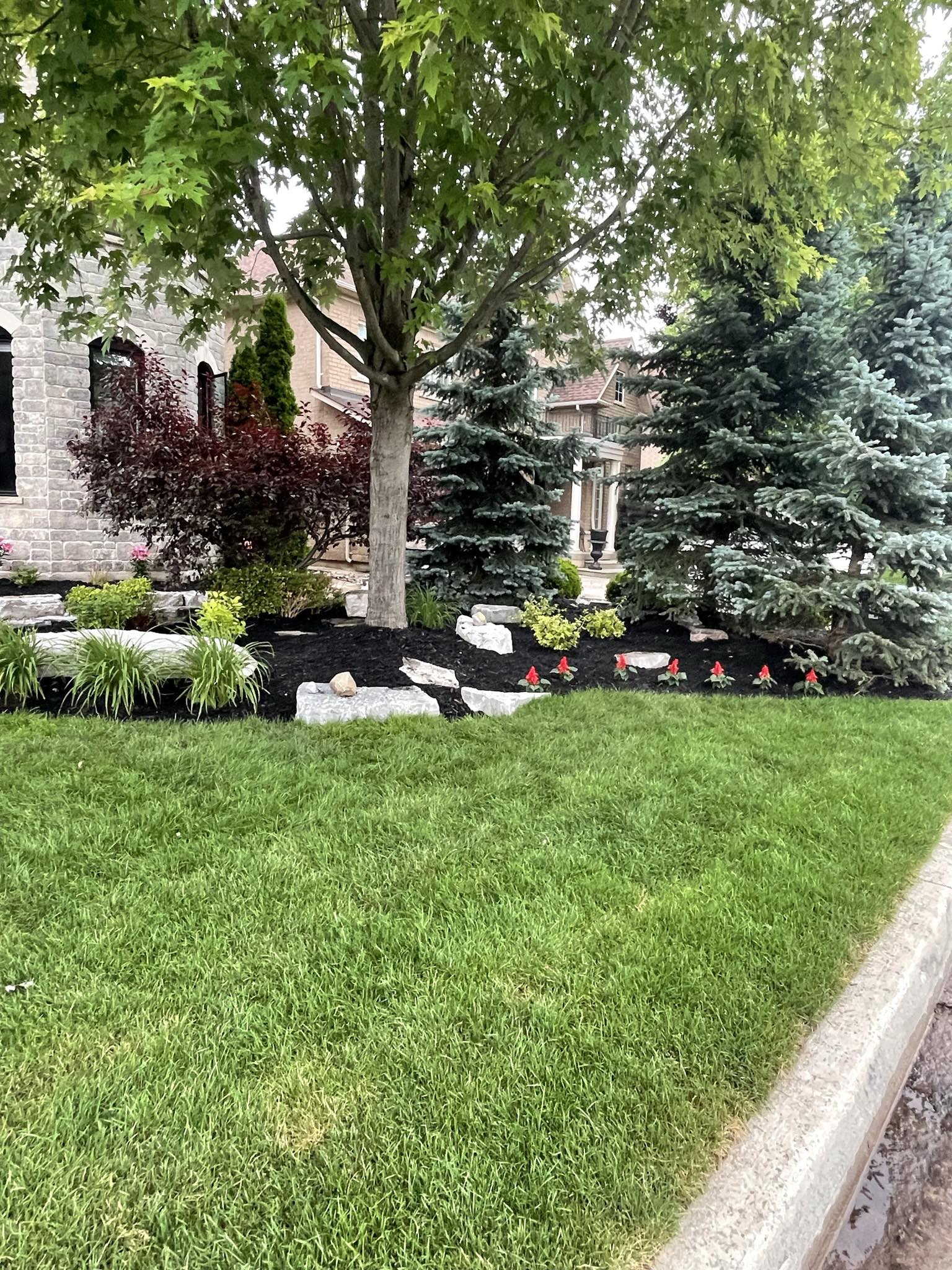
Creating a sensory garden begins with a careful selection of plants. Colors are the first element to captivate, and using a diverse palette can enhance the visual appeal. Consider the vibrant hues of tulips and the striking contrast of evergreen shrubbery for year-round vibrancy. At Calderwood Landscape Design, we focus on pairing these plants to create a living tapestry that changes with each season.
The scent is a powerful tool in a sensory garden. Aromatic plants such as lavender, rosemary, and jasmine can create lasting impressions and evoke memories, making them key components of any sensory space. Strategically placed along pathways, these plants release scents with the gentle brushing of their leaves. Incorporating night-blooming flowers can also ensure a fragrant sanctuary at all hours.
Sound is often an overlooked aspect of garden design. Yet, it plays a crucial role in the ambiance of a sensory garden. The soft trickle of a water feature or the melodic tones of wind chimes can create a serene environment, offsetting the hustle and bustle of daily life. At Calderwood, we often integrate natural sounds by selecting grasses that rustle in the breeze or incorporating habitat elements that attract songbirds.
Taste is usually less emphasized in typical gardens, but not in a well-designed sensory garden. Edible plants such as mint, basil, and strawberries can be both decorative and a delightful treat as you wander your garden. These edible elements make the garden interactive, offering a delicious way to experience its bounty.
Finally, consider texture. The sense of touch can transform how we experience a space. Soft lamb’s ears, feathery ornamental grasses, and smooth river stones create a textural landscape that invites physical interaction. The variations in texture can enhance the overall experience, making the garden more than just a visual feast.
Understanding that each client's needs and desires are unique, at Calderwood Landscape Design, our approach is tailored to create personal sanctuaries. Whether you desire a space for meditation, entertainment, or relaxation, a sensory garden can serve as a versatile backdrop for outdoor living.
As you envision your sensory garden, remember the balance between the elements. Too many contrasts can be overwhelming, while harmonious combinations can soothe and refresh the spirit. Our expertise in landscape design ensures this balance is perfectly captured, providing a personal oasis that captures the essence of natural beauty.
In conclusion, sensory gardens are about connection – to nature, to your senses, and ultimately, to yourself. Calderwood Landscape Design is here to craft that connection, leveraging our experience to create spaces that invigorate the senses and elevate the soul. Transform your garden into a living, breathing extension of yourself, where every visit renews and refreshes.
/filters:no_upscale()/filters:format(webp)/media/b1923f14-a1d2-4ccd-8554-7283cd20dbcc.png)